
Picture a refrigerator turned inside out and you have the basic idea behind a heat pump water heater. A small compressor and refrigerant loop sit on top of an insulated tank, drawing heat from the room air around the unit and pushing it into the water. Because the unit moves heat rather than generating it with a resistance element, it needs far less electricity than a standard electric tank would burn for the same shower. That is why these units carry Uniform Energy Factor ratings around 3 or higher, compared with roughly 0.9 for a conventional electric model, and why so many Jackson, MI homeowners with electric water heat are seriously considering the switch.
Before any equipment gets ordered, our technicians look at the space where it will live, because a hybrid is only as efficient as the room around it. We check that there is enough air volume, generally about 700 cubic feet, or plan intake and exhaust ducting when there is not. We think about what the cooler, drier exhaust air will do to the room, whether a garage stays warm enough through the Jackson winter for the compressor to do most of the work, and how the condensate will reach a drain, by gravity to a floor drain or through a small pump. We confirm the electrical side, usually a dedicated 240-volt circuit, and consider noise, since a steady compressor hum that goes unnoticed in a garage can be annoying beside a bedroom. Height matters too: hybrids are taller than standard tanks and need room above for service and airflow.
Once the unit is in place, the operating mode and tank size determine how much you save. Heat pump only mode delivers the lowest running cost; hybrid mode lets the elements help during heavy draws; high-demand mode leans on the elements for guests or big laundry days. Since the compressor heats at a gentler pace than resistance elements, we often size a hybrid slightly larger than the tank it replaces to keep the elements idle most of the time. Installation includes the drain pan, a tested condensate route, a correctly sized circuit and breaker, code-required items like an expansion tank where applicable, and a walkthrough of the controls. Utility and federal incentives exist for many qualifying models; we will point you to the ones to look into, without promising what any program will approve. Call (517) 208-9296 to plan a hybrid water heater in Jackson.
Our most requested service is Water Heater Installation in Jackson. Start there if you're not sure what you need.
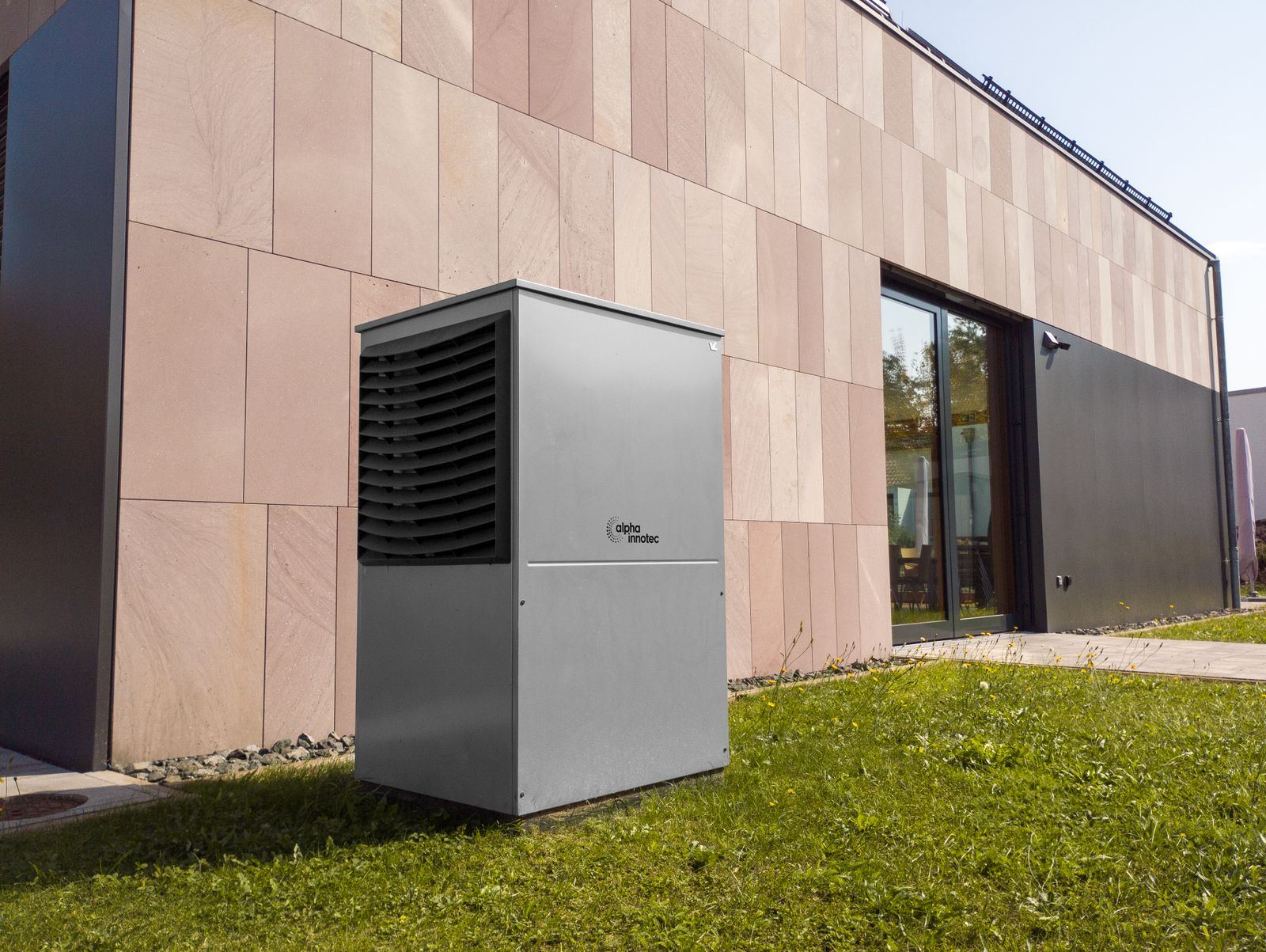
Signs You Need Heat Pump Water Heaters in Jackson
Water heaters usually give plenty of warning before they fail, as long as you know what to look and listen for. Keep an eye out for the following:
- Interest in utility rebates or federal tax credits for efficient equipment
- Power bills where water heating is a large and steady line item
- A garage or attic-adjacent room that stays warm most of the year
- Open space around the current water heater, such as a basement or garage
- A musty lower level where cooler, drier air would be welcome
- A 240-volt circuit already in place from your current electric heater
- Your electric tank is past the ten-year mark and you would rather plan than wait for a leak
- Solar panels or a move toward an all-electric home
Small Symptoms, Big Consequences
Left alone, even minor symptoms like rumbling or temperatures that swing from hot to warm tend to mean the heater is working its way toward a breakdown. At the first hint of a problem, reach out to Jackson Water Heater at (517) 208-9296 and we'll take a look.
Water Heater Trouble? Call Us.
We'll diagnose the problem and give you a straight answer on the fix.
Call (517) 208-9296 NowYour Heat Pump Water Heaters Questions Answered
Why This Job Calls for a Pro
A heat pump water heater is more than a tank swap. It is a plumbing appliance, an electrical appliance, and a small refrigeration system at once. The plumbing has to include a relief valve line to an approved spot and an expansion tank when the system is closed. The circuit has to match the manufacturer's requirements, which may differ from the tank it replaces. And the room has to supply enough air, or the compressor starves and the unit quietly leans on its elements. This is the mistake we see most, and it turns an efficient appliance into an expensive standard heater.
The hands-on details add up. These units are tall and, once full, weigh far more than a person can safely manage alone. The condensate line needs a reliable drain or a pump, and a clogged line can soak drywall before anyone notices. Converting from a gas heater means capping the gas supply, dealing with the old flue, and bringing in a new circuit. Any work on the refrigerant loop requires training and equipment most homeowners do not have. Jackson Water Heater handles those pieces as part of one job, programs the unit before we leave, and supplies model and installation details for rebate or credit applications, though approval always rests with the program.
Our Heat Pump Water Heaters Process
We work through a clear, repeatable process so you always know what's happening and what it will cost. Here's exactly how a typical visit unfolds:
Room Assessment
First, we look at where the unit will live: air volume, winter temperatures, a drain path for condensate, noise near bedrooms, and panel capacity.
Right-Sizing the Tank
Based on household size and peak demand, we recommend a tank capacity and model, often one size larger than your old tank to offset slower heat pump recovery.
Install Day
The old tank is drained and removed, the hybrid is set in a drain pan, and we connect water, power, the relief valve discharge, and a condensate line to a drain or pump.
Settings and Testing
After a test run, we set the operating mode and temperature and show you how to clean the air filter and use vacation mode.
Want a Professional Opinion?
Call Jackson Water Heater to talk through your situation with an experienced technician.
Call (517) 208-9296 TodayTips to Keep Your Water Heater Healthy
A little routine care goes a long way toward keeping a water heater running well past its expected lifespan. Put these technician-approved steps to work at home:
- Glance at the drain pan occasionally; standing water points to a clogged condensate line
- Keep fumes and heavy dust away from the air the unit draws in
- Ask for an anode rod check during maintenance visits
- Switch to vacation mode before a trip to cut idle energy use
- Keep the space around the unit open and free of boxes, laundry, and stored clutter
- Rinse the intake filter a few times a year; a clogged filter drags efficiency down
- Keep up with a yearly flush, since hybrids collect sediment like any tank
Doing It Yourself vs. Hiring a Technician
The line between a safe DIY check and a risky repair is usually the moment you need to open a gas fitting, a vent connection, or an electrical cover. A side-by-side look:
| Factor | DIY Attempt | Hiring a Pro |
|---|---|---|
| Placement | Space never measured | Located where the compressor can work |
| Electrical | Circuit left unchecked | Dedicated circuit verified or added |
| Condensate | No reliable drain path | Condensate path planned and verified |
| Sizing | Same size as the old tank by default | Often upsized to keep elements idle |
| Operating Mode | Left on the factory default | Controls explained before we leave |
| Code Items | Local requirements unknown | T&P discharge, pan, and expansion tank handled |
Book a Visit Today
Get your hot water back before a small fault turns into a flooded floor. Jackson Water Heater is ready to respond fast.
Call (517) 208-9296 TodayCommunities We Cover
Wherever you are in the area, the same experienced team shows up with the same parts and the same pricing. Find your community below.